
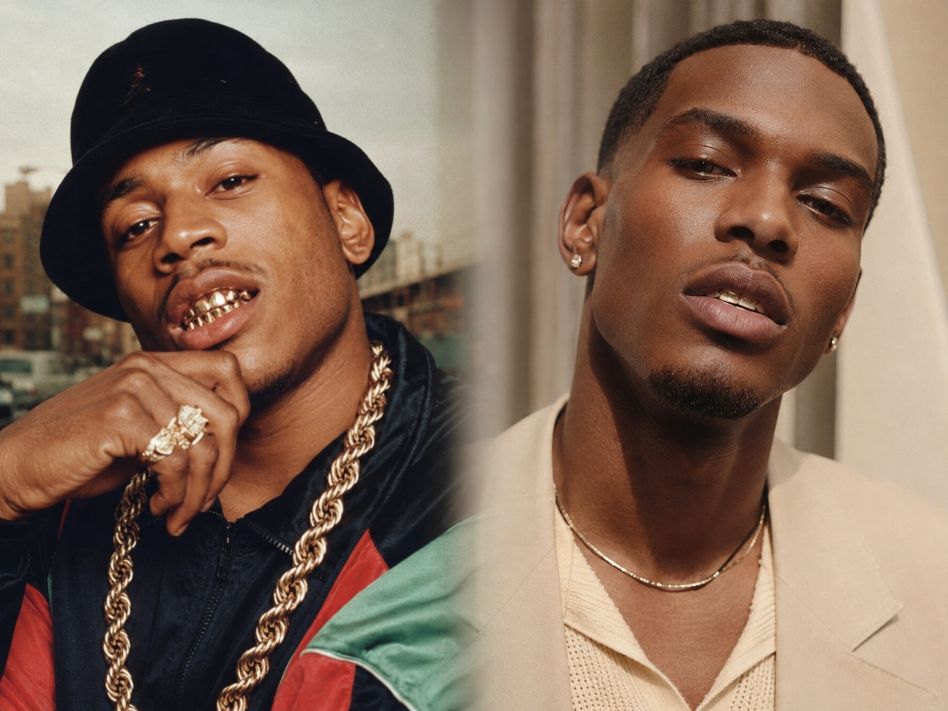
Grillz became strongly associated with hip-hop during the 1980s and 1990s, but their visibility now extends beyond rap videos and concert stages. They appear in fashion editorials, celebrity styling, sports, red-carpet looks, and jewelry discussions. The American Dental Association describes dental grills as removable decorative devices, usually made from metals such as gold or silver, and notes that music videos helped popularize them during the 1980s. What began as a recognizable part of hip-hop style has gradually become a broader form of personal jewelry.
That wider public interest has changed what people expect from dental jewelry. Modern custom grillz can be made around different tooth configurations, metals, finishes, and decorative treatments. Rhino Grillz, for example, lists made-to-order options in 10K, 14K, and 18K gold as well as sterling silver, with styles including open-face, fang, nugget, diamond-cut, and plated designs.
Why Music Made Grillz So Visible
Hip-hop has long used clothing and jewelry to communicate identity, success, and individuality. The American Museum of Natural History explored that relationship in its 2024 exhibition, Ice Cold: An Exhibition of Hip-Hop Jewelry. The museum traced hip-hop jewelry from oversized gold chains in the 1980s through diamond and platinum pieces in the 1990s and the experimental designs that followed.
Grillz fit naturally into that visual language because they turned the smile itself into part of an artist’s look. Dental jewelry becomes visible during performances, interviews, photographs, and music videos. That made it especially suited to a culture where personal style often works alongside sound and stage presence.
The connection strengthened as artists and specialist jewelers developed recognizable designs. The museum notes that rappers worked with local jewelers on one-of-a-kind accessories in the 1980s. Later generations expanded the scale, materials, and symbolism of hip-hop jewelry.
What Changed When Celebrities Outside Rap Wore Them?
Mainstream visibility increased when dental jewelry appeared on people outside hip-hop. Olympic swimmer Ryan Lochte drew wide attention in 2012 when he wore an American flag-themed jeweled grill on the medal podium. Glamour covered the look during the London Olympics, placing an accessory long linked with rap culture inside a major global sporting event.
Fashion and pop culture pushed the shift further. British Vogue has documented jeweler Dolly Cohen’s work for Beyoncé, Rihanna, Pharrell Williams, Lady Gaga, Jay-Z, and A$AP Rocky. The publication also noted that her dental jewelry became available through Dover Street Market, a retailer associated with designer fashion. That placement helped bring tooth jewelry into a broader fashion setting.
Collaborations blurred the line between streetwear, celebrity merchandise, and jewelry. Vogue France reported that Beyoncé’s Ivy Park collaboration with Adidas included two dental jewelry designs created by Cohen. One referenced Adidas, while another used Ivy Park branding. The pieces showed how a style rooted in hip-hop could enter a global sportswear launch.
From Statement Piece to Personal Design
Customization has broadened the appeal because wearers do not have to choose a full-mouth gold look. A design can cover one tooth, several teeth, the upper row, the lower row, or both. Finishes can be polished, plated, open-faced, textured, or decorated with stones. Some designs are subtle, while others are meant to stand out.
This variety matters because fashion trends often spread when people can adapt them to different tastes. British Vogue described Cohen’s delicate tooth jewelry, including narrow gold lines and small diamond shapes, as part of an effort to move beyond the heavily masculine image once associated with grills. That approach widened the range of styles available to wearers.
What the Shift Says About Fashion Culture
The movement of grillz into wider culture follows a familiar pattern. A style develops meaning within a community, becomes visible through entertainment, and is later reinterpreted by designers, celebrities, media, and consumers. Instead, new meanings are added as the audience grows.
The American Museum of Natural History treated hip-hop jewelry as a meaningful form of cultural expression. Its exhibition included pieces linked with Slick Rick, the Notorious B.I.G., Nicki Minaj, A$AP Rocky, and Tyler, the Creator. Presenting those objects in a major museum reflected how far hip-hop’s visual language had traveled beyond music alone.
From Subculture to Shared Fashion Language
Grillz remain closely connected with hip-hop, and that history is central to how the accessory is understood. What has changed is the size of the audience and the number of ways dental jewelry can be worn. Pop stars, athletes, designers, retailers, and red-carpet figures have made the look familiar to people outside its earlier cultural setting.
The evolution shows how mainstream fashion often works. It absorbs ideas once seen as unconventional, then reshapes them through new materials, settings, and audiences. Grillz moved through that process without losing their link to music culture. Their story shows how a subcultural signal can become part of a wider conversation about jewelry, identity, and self-expression.
